Dentany: A Luxurious Script Font
Choosing the right font can transform a simple text into something that feels intentional, elegant, and memorable. For a recent lifestyle blog redesign, I found myself drawn to Dentany—a modern calligraphy script font that exudes a sense of refined artistry. Its flowing lines and intricate details make it more than just a typeface; it's a visual statement that speaks to the heart of editorial design.
The Visual Character of Dentany
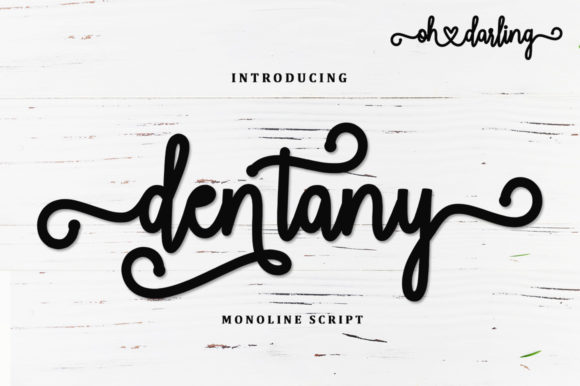
Dentany carries a distinct personality, blending the softness of a handwritten script with the precision of digital typography. Each letter is crafted with care, featuring subtle flourishes and consistent rhythm that give it a timeless feel. It’s not just a font; it’s a style that invites readers to slow down and appreciate the beauty in the details.
Its visual character leans toward the luxurious and the classic, making it ideal for projects that aim to evoke a sense of sophistication. The font’s structure allows for a natural flow, which enhances readability while maintaining an air of elegance. Whether used in a header or a pull quote, Dentany adds a touch of personality without overwhelming the reader.
Real-World Applications of Dentany
In a recipe ebook I recently worked on, Dentany was perfect for the title page and chapter openers. Its delicate curves and connected letters gave the content a warm, inviting tone that complemented the food photography. When paired with a clean serif font for body copy, the contrast created a balanced hierarchy that guided the reader through the pages effortlessly.
For a wedding guide, Dentany served as a standout element in the cover design. Its expressive strokes added a personal touch that felt authentic and meaningful. In newsletter headers and social media graphics, it brought a sense of creativity and flair, helping to establish a cohesive brand identity across different platforms.
Readability and Practical Considerations
While Dentany excels in display roles, it’s important to consider its suitability for longer reading. As a script font, it’s best reserved for titles, headings, and decorative elements rather than body text. On screens, especially mobile devices, smaller sizes may struggle with clarity, so it’s wise to test it in various formats before finalizing a layout.
When used in print materials, Dentany retains its sharpness and detail, making it a strong choice for covers, brochures, and packaging design. However, for dense paragraphs or small captions, a more legible font would be preferable. The font’s multilingual support and included styles make it versatile for international projects or creative campaigns.
Pairing Dentany with Other Fonts
Font pairing is key to achieving balance in any design project. Dentany works well alongside a readable serif font for body text, offering a contrast that enhances both aesthetics and usability. For a more modern look, pairing it with a clean sans serif font can create a fresh, dynamic visual identity.
When designing a printable planner or coaching workbook, Dentany can be used for section headings and motivational quotes. Its expressive nature adds a personal touch, making the content feel more engaging and thoughtful. However, it’s essential to check the font’s licensing terms before using it in commercial projects, such as paid newsletters or client publications.
Conclusion
Dentany is more than just a font—it’s a tool for storytelling and visual expression. Its ability to blend elegance with functionality makes it a valuable addition to any designer’s toolkit. Whether you’re working on a lifestyle blog, a recipe ebook, or a digital magazine, Dentany offers a unique way to elevate your content and connect with your audience on a deeper level.
As with any premium font, understanding its strengths and limitations is crucial. By using Dentany where it shines—such as in headlines, logos, and decorative accents—you can create a design that feels both professional and personal. With careful consideration and thoughtful pairing, Dentany can become a signature element in your editorial work, adding a touch of sophistication that resonates with readers.